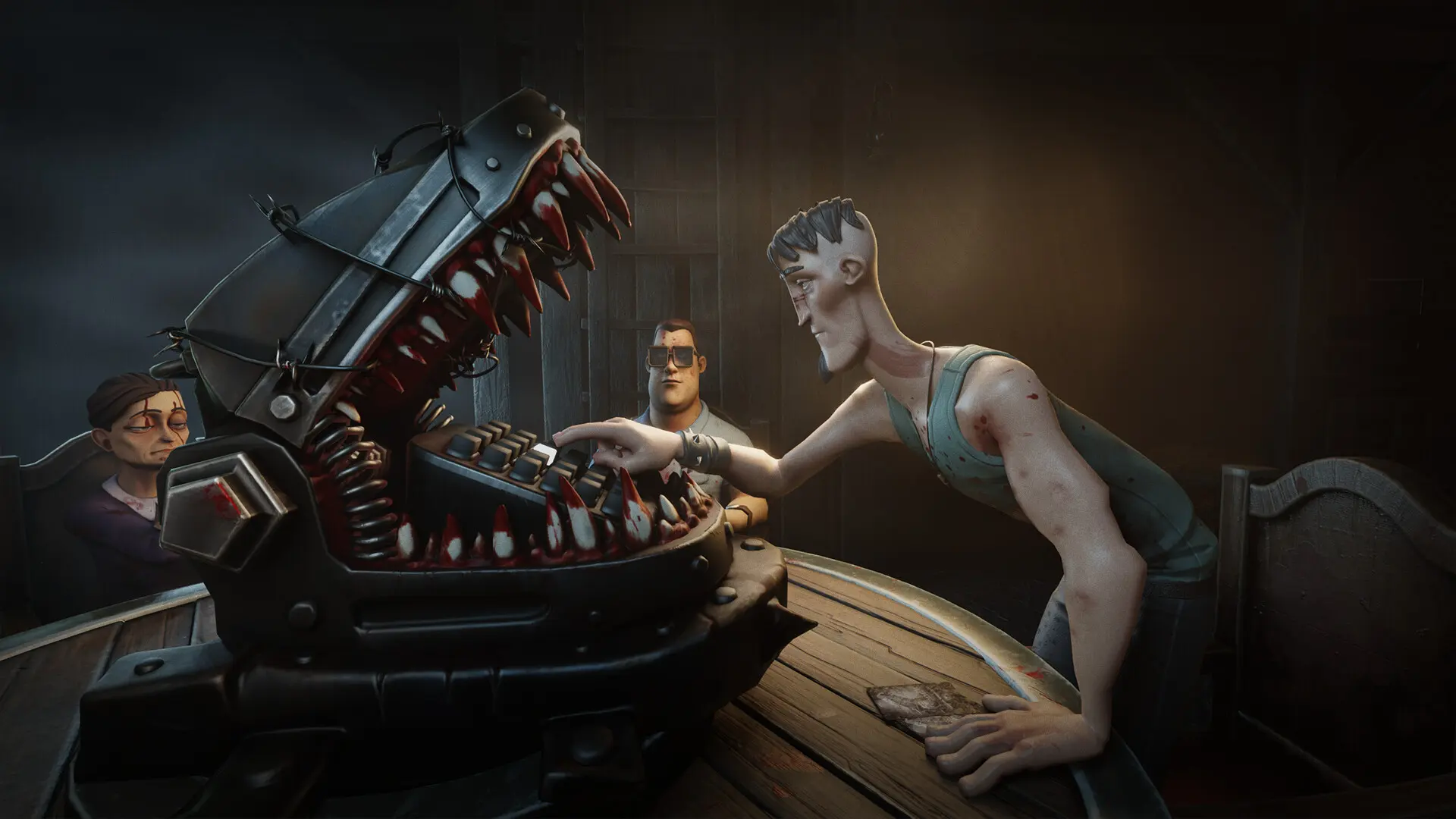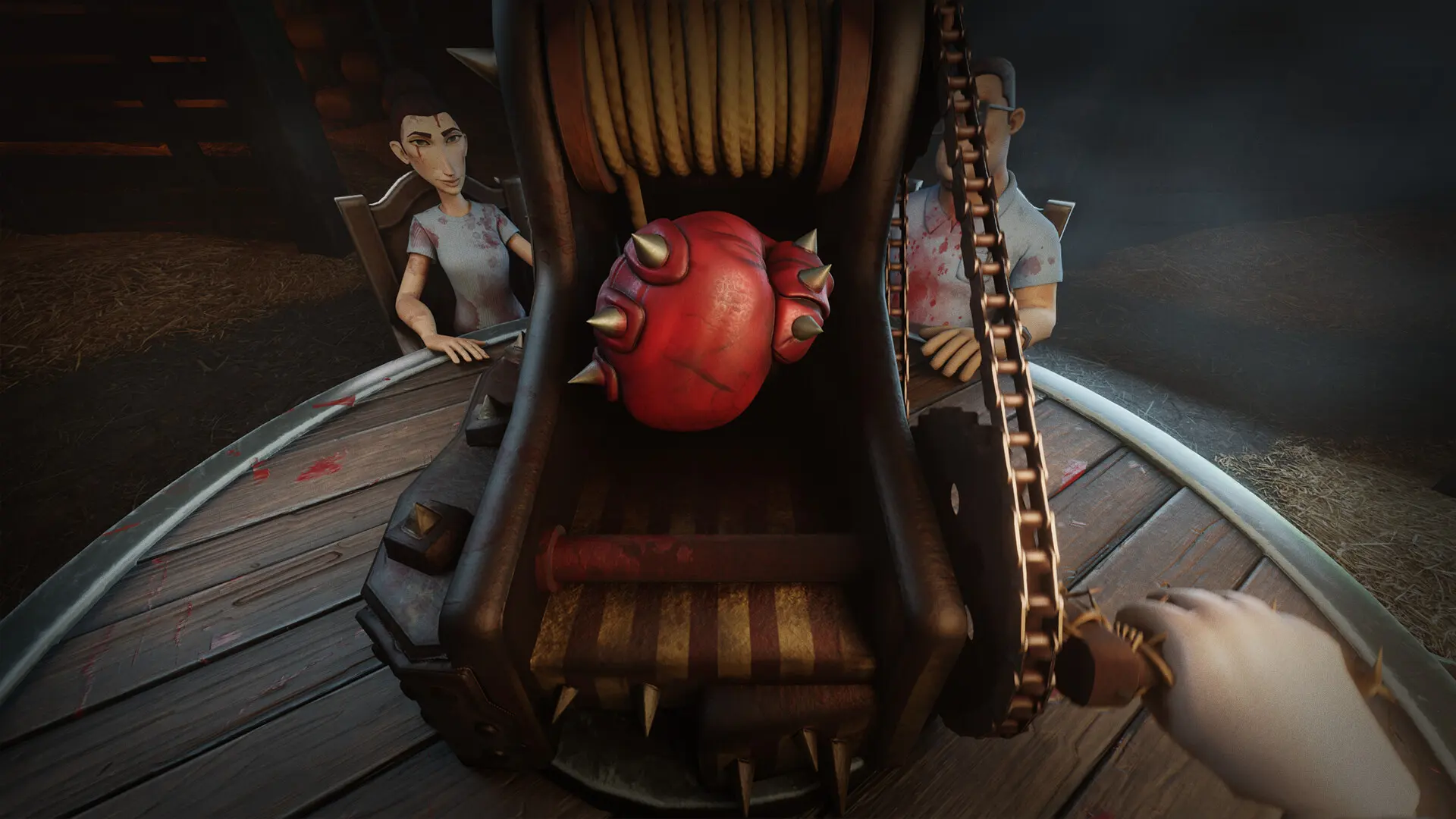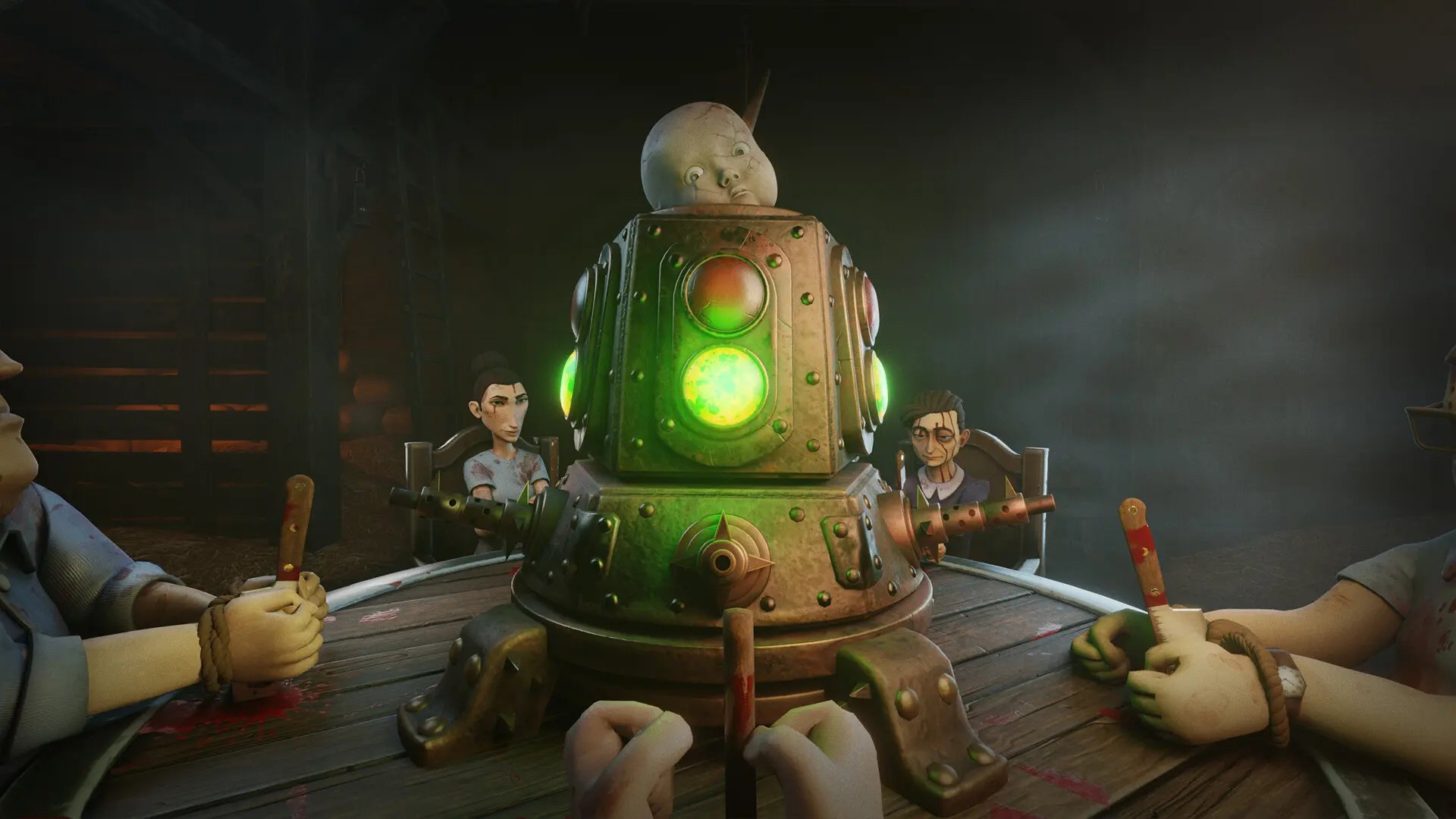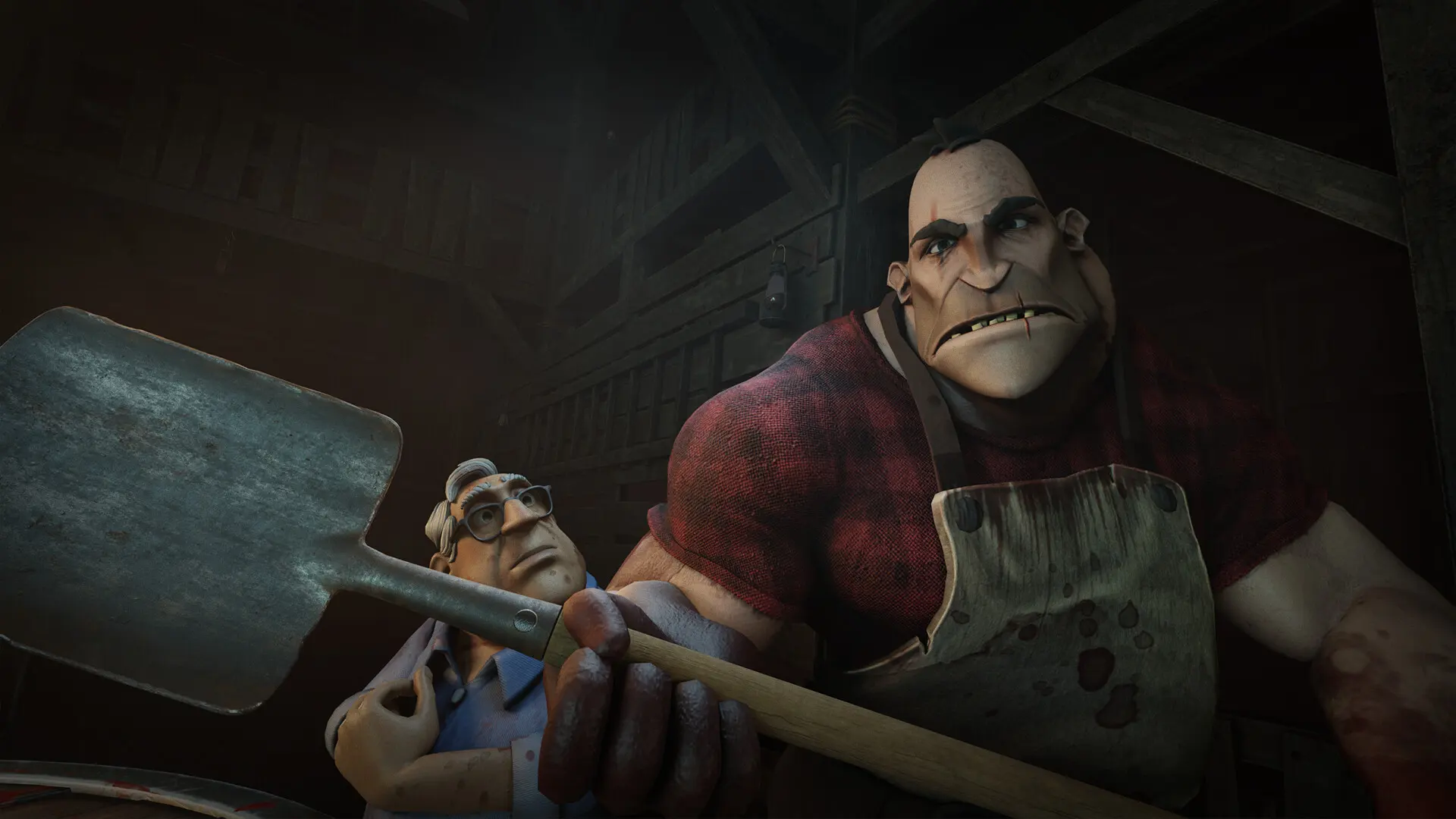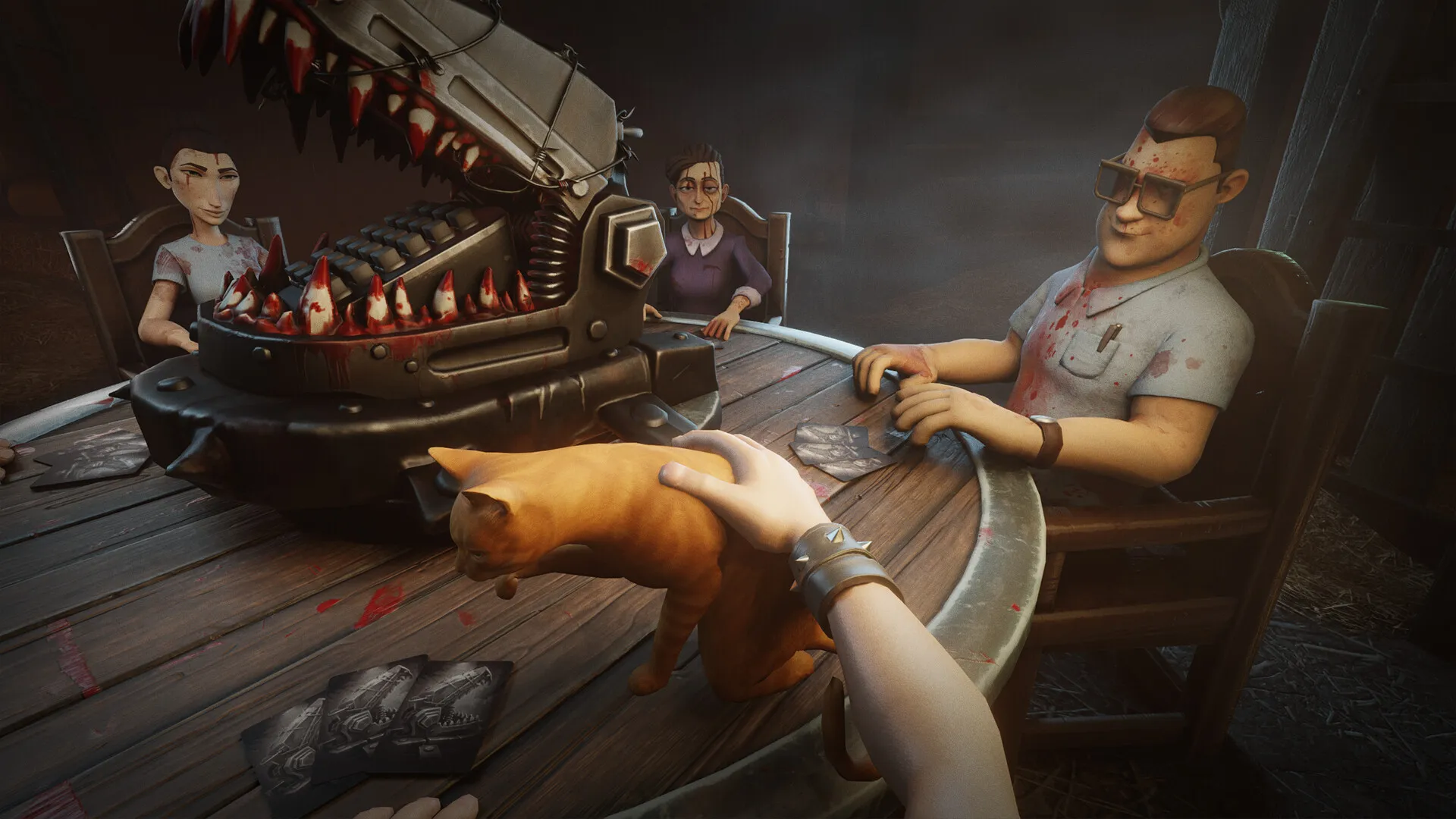
Influence cards are the part of HANDS OVER that turns a press-your-luck toy into a social game. The device decides whether a tooth is wrong. The cards decide who has to press it, who is protected, and who looks guilty when the odds change.
ArtDock has explained the card layer in broad terms. It has not published a card database. This page covers the confirmed functions, the questions the public rules do not answer, and how to think about card value without inventing numbers.
What ArtDock has confirmed
The official store page says players use influence cards between turns to:
- Change the odds.
- Protect themselves.
- Sabotage opponents.
- Trigger chaotic events.
The same description says a card can save you, break someone else’s plan, or turn a safe-looking move into a problem. IGN’s announcement coverage adds that cards can “change the odds, mess with opponents, protect themselves, or set up traps.”
The Early Access FAQ says the studio plans to expand the influence card system during development. That confirms more cards are intended, but not how many exist at launch.
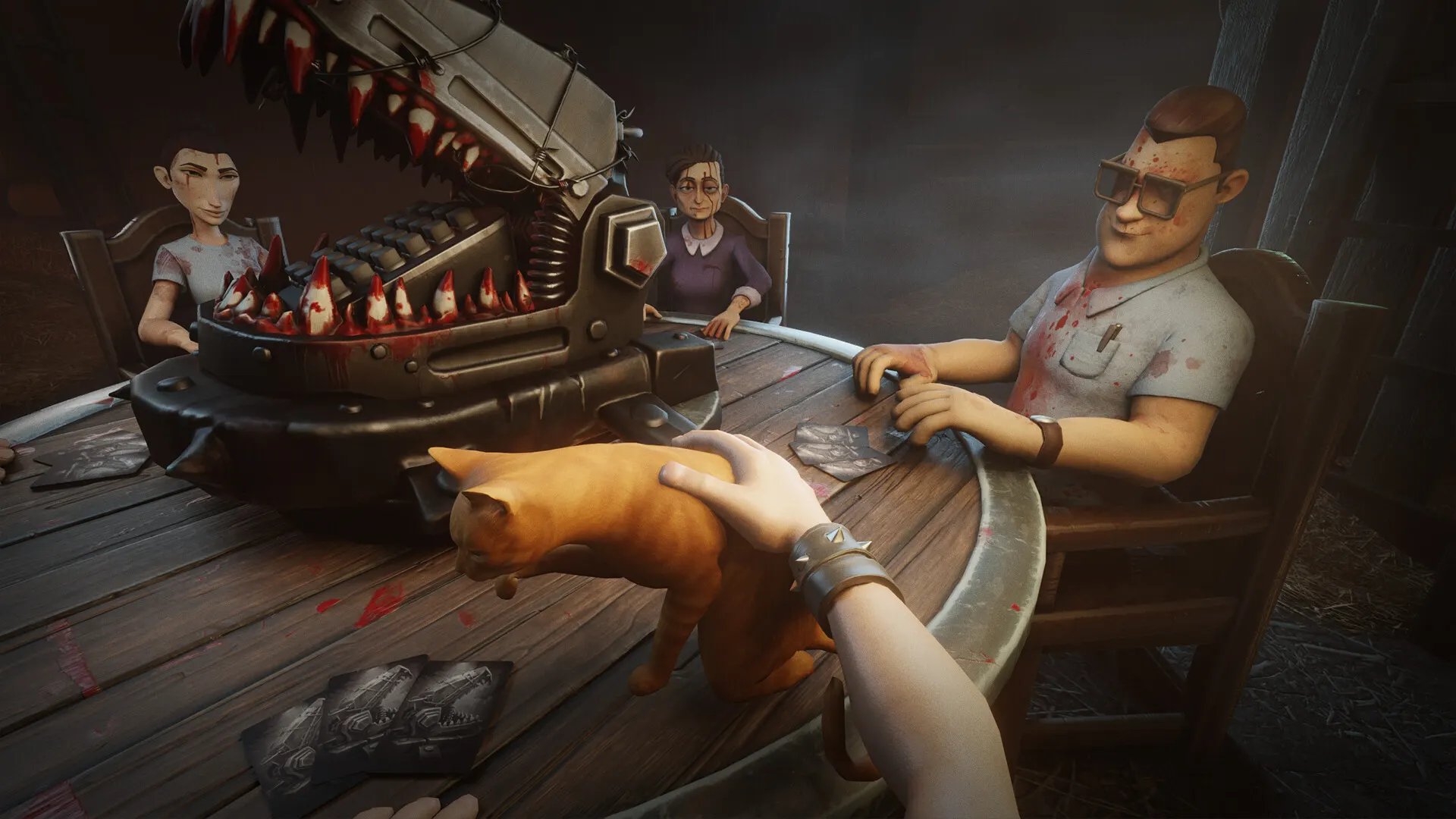
What is not public
This is the important part. As of November 2, 2026, ArtDock has not published:
- Card names or card text.
- Card costs, rarities or deck size.
- Draw rules, hand size or discard rules.
- Whether cards are unlocked, crafted, drafted or dealt.
- Whether there is a deckbuilding system.
- Whether cards can be played in response to another card.
- The exact timing window between turns.
That is why this site does not have a card database with rows of invented names. A database built on guesses would look useful and be worse than useless: players would search for cards that do not exist.
The four confirmed jobs
The official categories are broad enough to support a useful mental model. The table below separates the confirmed function from editorial advice about what to ask when a card appears.
| Card job | What ArtDock says | What it changes | Question to ask |
|---|---|---|---|
| Odds manipulation | Cards can change the odds | The risk of a press, a draw or a challenge outcome | Is the change public, or does the table only see the result? |
| Protection | Cards can protect the holder | Who absorbs a consequence | Is the protection conditional, timed or one-use? |
| Sabotage | Cards can target opponents | Who takes the risk or the blame | Does the card force a choice, or only raise the cost? |
| Chaos | Cards can trigger chaotic events | The table’s plan and information | Who benefits from the confusion? |
The “question to ask” column is analysis, not official text. It is there because the difference between a protection card and a sabotage card is often information: who knows what changed, and when.
How to think about card value
Without card values, you cannot calculate expected damage. You can still evaluate leverage.
A card is valuable when it:
- Changes a decision that matters. A small odds shift on a meaningless press is not the same as a protection card on a final hand.
- Creates information. Even a public card play tells the table something about the player who used it.
- Forces a response. A card that makes someone else change their plan is doing work even if it does not directly hurt them.
- Protects a position you cannot replace. If you are one mistake from a round loss, protection may be worth more than a flashy sabotage.
A card is usually overpriced when it is played only to avoid a feeling: panic, embarrassment or the pressure of a slow turn. The table remembers who spends cards under pressure.
Timing: the open question
The store page says cards are used between turns. It does not say whether a card can be played:
- Before a challenge is chosen.
- After a challenge is declared but before the result.
- In response to another card.
- Only on your own turn.
Those differences matter. If reaction cards exist, holding a card is a threat. If all cards are pre-committed, the game is more about planning and less about bluffing. The public description supports both readings, so this page does not pick one.
A practical first-session approach: read the card text, watch the prompt, and ask the table what the UI allows. Do not assume a card works like a reaction in another card game.
Bluffing and information
The official description emphasizes bluffing, sabotage and table talk. That does not necessarily mean the game has a formal lying mechanic. It means the social layer is part of the design: a player can claim a card did something, hide what they hold, or let the table misread a play.
Three habits:
- Track public plays. Who spent a card, and what changed immediately after?
- Separate claim from evidence. A player saying “I protected you” is not proof. The visible consequence is the evidence.
- Do not over-share. Your explanation of a card teaches the table how to read you next time.
What would change this page
This page will be rewritten when ArtDock publishes:
- The official card list or in-game card compendium.
- Deckbuilding, draw or unlock rules.
- A balance patch that changes card behavior.
- A full ruleset or tutorial that explains timing.
Until then, the honest state is: four confirmed functions, zero confirmed card names.
For the social side of card play, read the beginner’s guide. For the devices the cards interact with, see challenges and devices. For the Early Access plan to expand the system, see Early Access.